
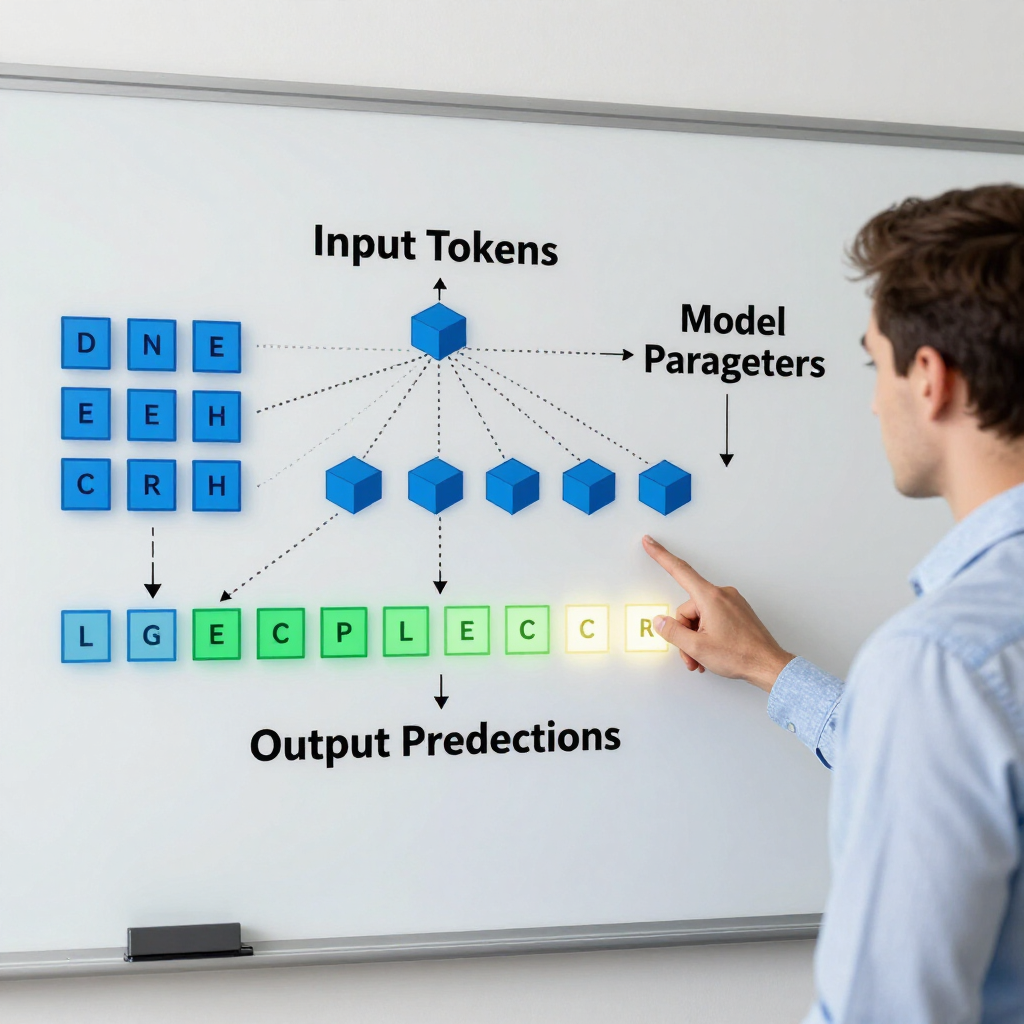
The Essential Guide to AI Agents

R Philip • August 4, 2025

What is an AI agent, and how does it differ from chatbots or AI assistants?


An AI agent is an autonomous software program or system designed to perceive its environment, process information, make decisions, and take actions to achieve specific, predetermined goals without constant human supervision.

They leverage machine learning and natural language processing to understand context and handle nuanced inquiries, continuously optimizing their responses through learning.

Unlike simpler systems:


• Chatbots are basic interfaces primarily designed to respond to user queries based on predefined scripts or keywords. They are reactive and have limited decision-making capabilities.

• AI Assistants are AI agents designed as applications to collaborate directly with users, understanding and responding to natural language. They can recommend actions, but the user typically makes the final decision, making them less autonomous than full AI agents.

AI agents stand out due to their higher degree of autonomy, ability to handle complex, multi-step tasks, and capacity to learn and adapt over time.


What are the core components and operational cycle of an AI agent?


AI agents operate through a continuous cycle of perception, decision-making, action, and learning, underpinned by a distinct architecture.

Core Components:


• Architecture: This is the underlying hardware or system on which the agent operates (e.g., robotic arms, sensors, cameras for physical agents, or APIs and databases for software agents).


• Agent Program: This is the software component that defines the agent's behavior, implementing the agent function (how percepts translate into actions). It includes:


    ◦ Profiling Module: Helps the agent understand its role and purpose by gathering environmental information.

    ◦ Memory Module: Stores and retrieves past experiences, enabling the agent to learn and maintain context (short-term, long-term, episodic, consensus).

    ◦ Planning Module: Responsible for decision-making, evaluating situations, weighing alternatives, and selecting effective courses of action.

    ◦ Action Module: Executes the decisions, translating them into real-world or digital actions.


• Tools: External resources or functions an agent can use to interact with its environment (e.g., accessing information, manipulating data, controlling systems).


• Model (often LLMs): Large Language Models serve as the "brain," enabling understanding, reasoning, and language generation from various input modalities.


Operational Cycle:


1. Perception & Input Processing: Agents gather and interpret data from their environment through sensors or data collection mechanisms, converting raw inputs into an understandable format.


2. Decision-Making & Planning: Using machine learning models and knowledge bases (often enhanced by RAG), agents evaluate inputs against objectives, consider possibilities, and select the most appropriate actions or sequences of actions.


3. Action Execution: Once a decision is made, agents execute tasks through their output interfaces, which can involve generating responses, updating databases, or triggering workflows.


4. Learning & Adaptation: Advanced agents continuously improve by analyzing action outcomes, updating their knowledge bases, and refining decision-making processes based on feedback (often using reinforcement learning).


What are the main benefits and challenges associated with deploying AI agents in business?


Benefits of AI Agents:


• Increased Efficiency & Productivity: Automate repetitive and complex tasks, freeing human employees for more strategic work.


• Improved Accuracy: Analyze patterns and make data-driven decisions with higher precision, reducing human error.


• Real-time Decision-Making: Process vast amounts of data quickly to make informed decisions in dynamic environments.


• Personalization: Tailor experiences (e.g., product recommendations, support) based on individual factors and preferences.


• Scalability: Handle large volumes of tasks simultaneously, making them ideal for scaling operations.


• Cost Savings: Reduce operational costs by automating tasks and improving overall efficiency.


• Learning & Adaptability: Continuously improve performance over time by learning from experiences and integrating new feedback.


Challenges of AI Agents:


• Computational Costs & Resources: Require significant computing power, storage, and specialized staff for deployment and maintenance, leading to sizable upfront investments.


• Human Training & Oversight: Despite autonomy, they need human training, calibration, and continuous oversight to ensure proper operation and model updates.


• Integration Difficulties: Not all AI agent types are compatible for hybrid or multi-agent systems, requiring rigorous testing before deployment to avoid costly errors.


• Infinite Loops: Agents, particularly simpler ones, can get stuck in endless action chains if not properly designed for partially observable or dynamic environments.


• Data Privacy & Ethical Concerns: Handling massive datasets raises privacy issues, and deep learning models can produce biased or inaccurate results if safeguards are not in place.


• Technical Complexities: Implementing advanced agents requires specialized ML expertise for integration, training, and deployment.


• Tasks Requiring Deep Empathy/Emotional Intelligence: AI agents struggle with nuanced human emotions, therapy, social work, or conflict resolution.


• Situations with High Ethical Stakes: They lack the moral compass for ethically complex scenarios like law enforcement or judicial decision-making.


• Unpredictable Physical Environments: Difficulties arise in highly dynamic environments requiring real-time adaptation and complex motor skills (e.g., surgery, disaster response).


How are AI agents classified based on their decision logic?


AI agents are classified by their decision logic, which defines how they process information, evaluate options, and select actions. This highlights their varying levels of autonomy and capability:


1. Simple Reflex Agents:

    ◦ Decision Logic: Act based on predefined "if-then" rules in response to current sensory input, ignoring past actions or future outcomes.

    ◦ Characteristics: Basic, efficient, and easy to implement in environments with clear, consistent rules.

    ◦ Example: A thermostat turning on heat if the temperature drops below a set point; email auto-responders flagging fraud.

    ◦ Limitation: Lack memory and adaptability, can get stuck in infinite loops in partially observable environments.


2. Model-Based Reflex Agents:

    ◦ Decision Logic: Create and maintain an internal "model" of their environment, allowing them to consider past states and adapt to partially observable environments.

    ◦ Characteristics: Smarter than simple reflex agents due to internal memory (the "model"); can predict how actions affect the environment.

    ◦ Example: Smart home security systems distinguishing routine events from threats; loan processing agents tracking applicant profiles.

    ◦ Limitation: Increased complexity and computational requirements; limited by the accuracy of the internal model.


3. Goal-Based Agents:

    ◦ Decision Logic: Make decisions aimed at achieving a specific, predefined outcome, evaluating actions to find those that move them closer to their goals.

    ◦ Characteristics: Plan sequences of actions, versatile for tasks with multiple possible paths.

    ◦ Example: GPS navigation systems finding optimal delivery routes; industrial robots following assembly sequences.

    ◦ Limitation: Requires well-defined goals; complex to design for multi-step tasks or conflicting objectives.


4. Utility-Based Agents:

    ◦ Decision Logic: Work towards goals while maximizing a "utility" or preference scale, choosing actions that yield the best overall outcome among multiple solutions.

    ◦ Characteristics: Handle trade-offs between competing goals by assigning numerical values to outcomes ("happiness" or desirability).

    ◦ Example: Financial portfolio management agents balancing risk and return; resource allocation systems optimizing efficiency and output.

    ◦ Limitation: Requires a carefully designed utility function; computationally intensive due to evaluation of multiple factors.


5. Learning Agents:

    ◦ Decision Logic: Adapt and improve their behavior over time based on experience and feedback, using machine learning to adjust actions and enhance future performance.

    ◦ Characteristics: Predictive, continuously refine strategies, and can operate in environments where optimal behavior isn't known beforehand.

    ◦ Example: E-commerce recommendation engines refining suggestions based on user interactions; customer service chatbots improving response accuracy over time.

    ◦ Limitation: Requires large datasets and feedback for effective learning; can be computationally intensive; risk of overfitting.


What are Multi-Agent Systems (MAS) and Hierarchical Agents, and how do they differ?


Both Multi-Agent Systems (MAS) and Hierarchical Agents involve multiple AI agents, but they differ significantly in their structure and coordination:


1. Multi-Agent Systems (MAS):


    ◦ Definition: Consist of several AI agents working collaboratively or competitively within a shared environment. Each agent has specialized tasks or individual goals.

    ◦ How They Work: Agents interact through communication protocols and follow defined interaction rules. They can be cooperative (sharing information for common goals) or competitive (competing for resources). Coordination mechanisms organize activities and prevent conflicts.

    ◦ Characteristics: Scalable and well-suited for tasks requiring dynamic responses to varied inputs. Offers redundancy and robustness (if one agent fails, others can continue).

    ◦ Examples: Smart city traffic management systems where agents manage traffic lights and monitor congestion; multiple robots coordinating to move items in a warehouse.

    ◦ Limitations: Coordination can be complex; potential for conflicts if goals compete; efficient resource management across agents is challenging.


2. Hierarchical Agents:


    ◦ Definition: Operate across different levels, where higher-level agents manage and direct the actions of lower-level agents within a structured hierarchy.

    ◦ How They Work: Complex tasks are broken down into manageable subtasks. High-level agents set broader objectives and delegate specific tasks to lower-level agents, which then execute them and report progress. This creates a top-down workflow.

    ◦ Characteristics: Organized structure simplifies complex operations; allows for better resource allocation and task division.

    ◦ Examples: Quality control in manufacturing where low-level agents inspect items and high-level agents analyze patterns for overall production quality; autonomous drone operations where a high-level agent manages route optimization and low-level agents handle navigation.

    ◦ Limitations: Can be rigid, potentially limiting adaptability if strict hierarchies are enforced; requires effective communication between levels for efficiency.

Key Difference: MAS emphasize interaction and collaboration among agents that might be largely independent, whereas Hierarchical Agents impose a strict, tiered management structure, with clear delegation and oversight from higher-level to lower-level agents.


What are the different functional roles AI agents play within businesses?


AI agents can be categorized by their functional roles within businesses, each designed to support specific operations:


1. Customer Agents:

    ◦ Role: Engage with users, answer inquiries, and handle routine customer service tasks 24/7.

    ◦ Capabilities: Use Natural Language Processing (NLP) for conversational interactions, provide seamless support, and can route complex issues to human agents.

    ◦ Examples: Virtual assistants for billing inquiries or product troubleshooting; Volkswagen's virtual assistant for driver questions.


2. Employee Agents:

    ◦ Role: Assist with HR, administrative, and productivity tasks, enabling employees to focus on strategic responsibilities.

    ◦ Capabilities: Automate routine activities like onboarding, schedule management, and training.

    ◦ Examples: Onboarding agents guiding new hires through paperwork and training; Uber's agents optimizing driver onboarding by automating background checks.


3. Creative Agents:

    ◦ Role: Support content creation by generating text, images, or video content.

    ◦ Capabilities: Leverage generative AI models to produce outputs consistent with brand guidelines and tone; assist marketing teams with drafting social media posts or ad copy.

    ◦ Examples: AI agents for resume writing; PUMA leveraging Imagen to generate customized product photos for local markets.


4. Data Agents:

    ◦ Role: Handle large-scale data processing tasks, from cleaning to analytics, extracting insights from massive datasets.

    ◦ Capabilities: Work as information retrieval agents, helping businesses make data-driven decisions quickly; can translate natural language into SQL commands for non-technical users.

    ◦ Examples: Financial institution agents processing real-time market data for predictive insights; agents enabling sales reps to extract data from databases quickly.


5. Code Agents:

    ◦ Role: Assist software developers in creating and maintaining applications and systems.

    ◦ Capabilities: Streamline tasks like bug detection and resolution, recommending code optimizations, and generating code snippets from natural language inputs.

    ◦ Examples: Google Cloud's Vertex AI Agent Builder for developing AI assistants with minimal coding; GitHub Copilot accelerating coding processes.


6. Security Agents:

    ◦ Role: Continuously monitor systems, detect anomalies, and respond to threats in real-time, enhancing organizational security and mitigating risks.

    ◦ Capabilities: Analyze patterns in behavior to detect fraudulent transactions; assist Security Operations Center (SOC) teams with threat detection and investigation.

    ◦ Examples: Banking security agents flagging suspicious activity; Microsoft Security Copilot enhancing threat detection and response for SOC teams.


What are emerging types and hybrid agents, and how do they benefit businesses?


As AI technology evolves, new types of AI agents and hybrid models are emerging, combining the strengths of existing agent types to address more complex challenges that demand adaptability, optimization, and decision-making across dynamic environments.


What are Hybrid Agents?

Hybrid agents integrate features from multiple agent types, allowing them to balance competing objectives, conduct long-term planning, and adapt in real-time. They are particularly useful when achieving a goal must be done in the most efficient or beneficial way.


Emerging Hybrid Models:


1. Goal-Utility Hybrids: These agents prioritize predefined goals but evaluate each action based on its utility (e.g., efficiency, safety, cost), optimizing the approach to goal attainment.

    ◦ Example: Logistics agents ensuring delivery (goal) while minimizing fuel consumption and delivery time (utility).


2. Learning-Utility Hybrids: Integrate learning capabilities with utility-based decision-making, enabling agents to adapt and improve strategies over time while continuously striving for optimal results.

    ◦ Example: Stock trading agents learning market patterns and dynamically adjusting utility functions to balance risk and reward.


3. Multi-Modal Agents: Combine different input modalities (visual, auditory, text-based data) to make more comprehensive and accurate decisions.

    ◦ Example: Autonomous vehicles integrating road visuals, GPS data, and real-time traffic updates for route optimization.


4. Collaborative Hybrid Systems: Involve multiple agents, each potentially with hybrid capabilities, working together in often decentralized environments.

    ◦ Example: Swarm robotics for disaster recovery, where individual robots balance local goals and utilities while contributing to a larger mission.


Benefits to Businesses:


• Enhanced Decision-Making: Enable sophisticated decisions by balancing multiple objectives and making optimal choices under uncertainty.

• Greater Adaptability: More responsive to dynamic environments, continuously learning and refining strategies.

• Increased Efficiency: Streamline complex operations by optimizing for multiple factors simultaneously (e.g., speed, cost, quality).

• Complex Problem Solving: Tackle challenges that require a blend of planning, optimization, and real-time responsiveness.

• Transformative Potential: Unlock new possibilities in personalized medicine, smart city management, advanced e-commerce, and efficient manufacturing by bridging the gap between efficiency, adaptability, and complex decision-making.


Where are AI agents commonly applied in real-world scenarios?


AI agents are revolutionizing various industries by automating workflows, improving decision-making, and enhancing experiences:

• Finance and Insurance:

    ◦ Automation: Automate end-to-end workflows (e.g., payments, credit rating, claims processing, loan underwriting), accelerating turnaround times.

    ◦ Fraud Detection: Analyze patterns in customer behavior and transactions to flag and block suspicious activity in real-time.

    ◦ Investment Advice: Analyze market data and provide personalized investment advice.

    ◦ Risk Assessment: Assess risk and provide policy recommendations based on real-time and historical patterns.


• Customer Service and Support:

    ◦ Conversational AI: Streamline inquiries, troubleshoot issues, and provide real-time solutions via chatbots and virtual agents, reducing wait times and human workload.

    ◦ Personalization: Offer interactive support, answer billing questions, and provide product troubleshooting.


• Manufacturing and Robotics:

    ◦ Workflow Automation: Control robots and automate tasks in assembly lines, quality control, and warehouse management.

    ◦ Logistics: Optimize delivery routes based on factors like distance, time, traffic, and battery life.

    ◦ Quality Control: Inspect individual items and analyze data to identify patterns and improve production quality.


• Healthcare:

    ◦ Workflow Streamlining: Schedule appointments, provide initial diagnoses, and manage patient data.

    ◦ Personalized Treatment: Analyze patient data to create personalized treatment plans, continuously learning from outcomes.

    ◦ Drug Discovery: Assist in research by analyzing vast datasets and identifying patterns.


• E-commerce and Retail:

    ◦ Product Recommendations: Refine product suggestions based on user interactions and preferences.

    ◦ Inventory Management: Manage stock levels and provide real-time updates for orders and inventory.

    ◦ Customer Experience: Enhance shopping by recommending personalized products and offering real-time order tracking.


• Software Development:

    ◦ Code Generation: Generate code snippets from natural language inputs and recommend optimizations.

    ◦ Debugging: Detect and resolve bugs efficiently, speeding up the development lifecycle.

    ◦ Productivity: Boost technical teams by automating repetitive coding tasks.


• Smart Cities and Infrastructure:

    ◦ Traffic Management: Regulate traffic flow by managing traffic lights, monitoring congestion, and suggesting alternative routes.

    ◦ Building Management: Optimize energy use, security, and infrastructure conditions in smart buildings.


• Data Analysis:

    ◦ Insight Extraction: Process vast datasets to deliver actionable insights for various industries, empowering data-driven decisions.

    ◦ Database Management: Optimize database management, querying, and analysis with minimal user input, making databases accessible to non-technical users.


What are the key considerations when choosing and implementing an AI agent for a business?


Choosing and implementing the right AI agent requires careful consideration to ensure it aligns with business needs and delivers desired outcomes. Key steps and considerations include:


1. Assessing Needs and Goals:


    ◦ Identify Specific Tasks: Clearly define what tasks the AI agent will perform. Determine if tasks are simple and repetitive (e.g., basic customer service) or complex, requiring decision-making and adaptability (e.g., complex interactions).

    ◦ Define Objectives: State the expected outcomes (e.g., improved efficiency, cost reduction, enhanced customer experience, advanced data analysis). For example, a financial trading system optimizing multiple variables would need a utility-based agent.

    ◦ Understand the Environment: Assess if the operational environment is fully observable, partially observable, static, or dynamic. A dynamic, partially observable environment (like order fulfillment) might benefit from a utility-based agent that monitors real-time status and optimizes workflows.


2. Evaluating Options:


    ◦ Complexity vs. Functionality: Higher complexity often means greater functionality but requires more resources. Simple reflex agents are easy to implement but limited; utility-based agents are highly complex but offer sophisticated optimization.

    ◦ Cost: Consider the development, deployment, and maintenance costs. More complex agents (e.g., utility-based) are typically more expensive.

    ◦ Scalability: Assess if the agent can handle increased workloads or adapt to new tasks without significant changes (e.g., goal-based agents are more scalable for evolving applications).

    ◦ Integration: Evaluate how well the AI agent can integrate with existing systems and workflows. Seamless data flow is crucial (e.g., a customer service agent integrating with a CRM).


3. Implementation Considerations:


    ◦ Integration Plan: Develop a plan for seamless integration with existing systems and workflows, ensuring data compatibility and smooth exchange.


    ◦ Performance Monitoring: Establish mechanisms for continuous monitoring, including tracking Key Performance Indicators (KPIs) like response times and accuracy, and setting up alerts for issues.


    ◦ Continuous Improvement: Implement feedback loops to refine and enhance the agent's performance over time. Regularly update training data for learning agents to adapt to changing conditions.


    ◦ Ethical Considerations and Governance: Address data privacy, potential biases, and transparency in decision-making. Ensure the AI agent operates within ethical guidelines and complies with regulations (e.g., data protection laws, fairness standards). Robust security measures and guardrails are essential for responsible deployment.


    ◦ Specialized Expertise: Recognize that advanced AI agent implementation often requires specialized knowledge in machine learning and data science. Leverage low-code tools or partner with vendors to simplify development and integration.


Scientist with goggles reacts to banana explosion illustration; colorful lab setting.
By R Philip November 23, 2025
What is Nano Banana Pro? Nano Banana Pro is an AI-powered image generation and editing model developed by Google DeepMind. The model uses Gemini 3 Pro's advanced reasoning and real-world knowledge to create visuals with improved accuracy compared to earlier AI image generators. Google designed Nano Banana Pro to handle complex prompts while maintaining consistent quality in both image creation and editing tasks. Key Features of Nano Banana Pro High-Resolution Output Nano Banana Pro supports image generation up to 4K resolution across multiple aspect ratios. This represents a significant quality improvement over previous consumer-oriented AI image models that often produced visuals failing under professional scrutiny. Multi-Language Text Rendering The model generates accurate text in multiple languages within images. This feature addresses a common weakness in earlier AI image generators where text appeared as illegible "AI squiggles." Nano Banana Pro can translate existing text within images to different languages while preserving the original visual design. Character Consistency Nano Banana Pro maintains character consistency across up to 5 characters within generated images. This feature helps maintain visual coherence when creating content series or branded materials requiring consistent character representation. Advanced Reference System The model accepts up to 14 reference images simultaneously. This expanded visual context window enables users to upload complete style guides including logos, color palettes, character designs, and product shots. The system uses these references to match brand identity requirements more accurately. Google Search Integration Nano Banana Pro connects to Google Search's knowledge base for real-world context. This integration enables the model to create factually grounded infographics, maps, diagrams, and educational content based on current information. Natural Language Editing Users can describe desired changes using conversational prompts. The model interprets instructions to add, remove, or replace details within existing images without requiring technical design skills. Nano Banana Pro Applications Infographic Creation The model generates educational explainers, data visualizations, and informational graphics. Google Search integration ensures factual accuracy in generated infographics based on real-world information. Storyboard Development Nano Banana Pro creates visual storyboards from text prompts or uploaded images. The model's reasoning capabilities help construct narrative sequences with coherent visual flow. Brand Identity Systems The tool generates logos, mockups, and branded materials while maintaining visual consistency. The 14-image reference system enables comprehensive brand guideline implementation across generated assets. Mockup and Prototype Design Designers use Nano Banana Pro to create product mockups, UI layouts, and concept visualizations. The model's ability to blend multiple reference images supports composite design workflows. Marketing Materials The tool produces posters, social media graphics, and advertising visuals with accurate text rendering. Multi-language support enables rapid localization of marketing campaigns across different markets. Where to Access Nano Banana Pro Consumer Access Nano Banana Pro is available through the Gemini mobile app. Free tier users receive limited quotas with visible watermarks on generated images. Google AI Plus, Pro, and Ultra subscribers receive higher access limits. Enterprise Solutions The model is available in Vertex AI for enterprise deployment. Google Workspace integration includes access through Google Slides and Vids. Google Ads has integrated Nano Banana Pro for advertising creative development. Developer Platforms Developers can access Nano Banana Pro through the Gemini API and Google AI Studio. The model is rolling out to Google Antigravity for UX layout and mockup creation. Creative Professional Tools Adobe has integrated Nano Banana Pro into Adobe Firefly and Photoshop. Canva includes Nano Banana Pro for text translation and rendering across multiple languages. Figma offers Nano Banana Pro access for perspective shifts, lighting changes, and scene variations. AI Filmmaking Google AI Ultra subscribers will gain access to Nano Banana Pro in Flow, Google's AI filmmaking tool. This integration provides enhanced precision and control over frames and scenes. Nano Banana Pro Pricing Free Tier Limited quotas available through Gemini app. Generated images include visible Gemini watermark. All images contain imperceptible SynthID digital watermark for AI provenance tracking. Subscription Tiers Google AI Plus, Pro, and Ultra subscriptions offer higher access limits. Ultra tier subscribers receive images without visible watermark overlay. SynthID watermark remains embedded for traceability across all tiers. Enterprise Pricing Vertex AI and Google Workspace pricing follows standard Google Cloud enterprise models. Copyright indemnification coming at general availability for commercial users. SynthID Watermarking and AI Transparency All images generated by Nano Banana Pro include embedded SynthID digital watermarks. Google developed SynthID as imperceptible watermarking technology for AI-generated content. Users can upload images to the Gemini app to verify if content originated from Google AI systems. This verification capability supports transparency requirements for AI-generated media. Nano Banana Pro vs Original Nano Banana Model Architecture Original Nano Banana uses Gemini 2.5 Flash Image architecture. Nano Banana Pro uses Gemini 3 Pro Image architecture with enhanced reasoning capabilities. Use Case Differentiation Google positions original Nano Banana for high-velocity ideation and casual creativity. Nano Banana Pro targets production-ready assets requiring highest fidelity. Performance Differences Gemini 2.5 Flash Image sometimes struggled with nuanced instructions. Gemini 3 Pro Image translates detailed text inputs into visuals with coherent design elements and natural-looking text. Technical Capabilities Image Editing Functions Nano Banana Pro handles face completion, background changes, object placement, style transfers, and character modifications. The model excels at contextual instructions like scene transformations while maintaining photorealistic quality. Advanced Composition Multi-image blending enables composite designs combining elements from multiple source images. Scene blending maintains natural, realistic transitions between combined visual elements. Lighting and Camera Controls The model adjusts camera angles, lighting conditions, and focus within generated images. Users can transform time-of-day settings and atmospheric conditions through text prompts. Current Limitations Availability Constraints Demand currently exceeds capacity, with Google working to scale infrastructure. Many users experience quota limits even on paid subscription tiers. Regional Rollout Features are rolling out gradually across different Google products and regions. Not all capabilities are simultaneously available across all platforms. Quality Variability Like all generative AI tools, output quality varies based on prompt specificity and complexity. Some generated content may require iteration to achieve desired results. Market Position and Competition User Adoption Gemini app has over 650 million monthly active users. Gemini-powered AI Overviews reaches 2 billion monthly users. ChatGPT currently ranks first in free apps on Apple's App Store, with Gemini in second position. Competitive Context Nano Banana Pro competes directly with OpenAI's DALL-E and other AI image generation models. Google emphasizes transparency through SynthID watermarking as competitive differentiator. Integration across Google's product ecosystem provides distribution advantages over standalone image generation tools. Industry Integration and Partnerships Adobe Partnership Adobe Firefly and Photoshop integration gives creative professionals access to Nano Banana Pro alongside Adobe's editing tools. Hannah Elsakr, VP of New Gen AI Business Ventures at Adobe, stated the integration helps creators "turn ideas into high-impact content with full creative control." Canva Integration Danny Wu, Head of AI Products at Canva, highlighted text translation and multi-language rendering as key capabilities. The integration supports Canva's mission to "empower the world to design anything." Figma Integration Designers using Figma gain access to perspective shifts, lighting changes, and scene variations. The tool provides both creative flexibility and precision within Figma's design environment. Recommended Use Cases Best Applications for Nano Banana Pro Localized marketing campaigns requiring text translation across languages. Technical documentation needing accurate diagrams and infographics grounded in factual information. Brand asset creation requiring consistency across multiple visual elements. Product mockups and prototype visualization for design iteration. Educational content creation with context-rich visual explanations. Less Suitable Applications Highly specialized technical diagrams requiring domain-specific accuracy beyond general knowledge. Projects requiring absolute pixel-perfect control beyond AI-generated capabilities. Workflows dependent on offline access or air-gapped environments. Use cases where AI-generated content is inappropriate or prohibited. Frequently Asked Questions About Nano Banana Pro What is Nano Banana Pro? Nano Banana Pro is Google's latest AI image generation and editing model built on Gemini 3 Pro architecture, launched November 20, 2025. It creates high-quality images with accurate text rendering, supports up to 4K resolution, and integrates with Google Search for factually grounded content generation. How much does Nano Banana Pro cost? Nano Banana Pro is available through free tier with limited quotas and visible watermarks. Google AI Plus, Pro, and Ultra subscriptions provide higher access limits, with Ultra removing visible watermarks. Enterprise pricing through Vertex AI and Google Workspace follows standard Google Cloud models. Where can I access Nano Banana Pro? Access Nano Banana Pro through the Gemini mobile app, Google AI Studio, Vertex AI, Google Ads, Google Workspace (Slides and Vids), and integrated in Adobe Firefly, Photoshop, Canva, and Figma. Flow filmmaking tool access coming for Ultra subscribers. What languages does Nano Banana Pro support for text rendering? Nano Banana Pro generates accurate text in multiple languages within images and can translate existing text in images to different languages while preserving visual design. Specific language list not publicly documented but includes major global languages. Does Nano Banana Pro watermark generated images? Yes, all Nano Banana Pro images include imperceptible SynthID digital watermarks for AI provenance tracking. Free tier includes visible Gemini watermark; Ultra tier removes visible watermark but retains invisible SynthID watermark for transparency. How does Nano Banana Pro compare to the original Nano Banana? Original Nano Banana uses Gemini 2.5 Flash Image for casual creativity and ideation. Nano Banana Pro uses Gemini 3 Pro Image with enhanced reasoning, higher resolution (up to 4K), better text rendering, and production-ready quality for professional applications. Can Nano Banana Pro maintain brand consistency across images? Yes, Nano Banana Pro accepts up to 14 reference images simultaneously to upload complete style guides including logos, color palettes, and brand elements. This expanded visual context window helps maintain brand identity across generated assets. Does Nano Banana Pro connect to real-world information? Yes, Nano Banana Pro integrates with Google Search to access real-world context, enabling factually grounded infographics, maps, and diagrams based on current information rather than just training data. What resolution can Nano Banana Pro generate? Nano Banana Pro supports image generation up to 4K resolution across multiple aspect ratios, providing significantly higher detail and sharpness compared to earlier consumer AI image models. Is Nano Banana Pro available for commercial use? Yes, Nano Banana Pro is available for commercial use through enterprise licensing on Vertex AI and Google Workspace. Google is implementing copyright indemnification at general availability to support commercial deployment. Sources: [1] https://blog.google/technology/ai/nano-banana-pro/ [2] https://cloud.google.com/blog/products/ai-machine-learning/nano-banana-pro-available-for-enterprise [3] https://deepmind.google/models/gemini-image/pro/ [4] https://gemini.google/overview/image-generation/ [5] https://www.cnbc.com/2025/11/20/google-nano-banana-pro-gemini-3.html [6] https://www.techspot.com/news/110342-google-nano-banana-pro-model-makes-ai-images.html [7] https://meyka.com/blog/first-hands-on-test-of-googles-image-generator-nano-banana-pro/
Man using smartphone indoors, touching the screen with his finger.
By R Philip November 13, 2025
Key Points Research suggests open finance APIs in the UAE can support insurtech apps by enabling data sharing and transaction initiation. It seems likely that apps targeting high-demand areas like travel insurance or personalized marketplaces could reach 1 million AED quickly. The evidence leans toward leveraging the Open Finance Framework for scalable revenue models like commissions or subscriptions. Introduction The Open Finance UAE framework, introduced by the Central Bank of the UAE (CBUAE), offers a promising landscape for developing insurtech apps. By leveraging open insurance APIs, you can create innovative solutions that tap into the UAE's diverse market, including expatriates, tourists, and gig workers. Below, I’ll outline key ideas for starting ten insurtech apps with the potential to reach 1 million AED quickly, followed by a detailed survey of the reasoning and supporting information. Why Open Finance Matters for Insurtech The Open Finance Regulation, effective from April 23, 2024, includes both open banking and open insurance components, facilitating secure data sharing and transaction initiation. This framework is part of the CBUAE’s Financial Infrastructure Transformation Programme, aiming to foster innovation and competition. For insurtech, this means access to insurance policy data, claims history, and customer information, which can be used to build apps that enhance customer experience and operational efficiency. Ten Insurtech App Ideas Here are ten ideas for insurtech apps that can leverage the Open Finance Framework to scale rapidly: Personalized Insurance Marketplace : Aggregate insurance products and offer tailored recommendations using data analytics. Automated Claims Processing App : Streamline claims with AI, pre-filling forms using policy data. Usage-Based Insurance App : Offer pay-per-mile auto or pay-per-use home insurance, potentially integrating IoT data. Health Insurance and Wellness App : Provide personalized plans with wellness tracking, leveraging health-related financial data. Travel Insurance Automation : Automatically generate quotes based on travel itineraries, integrating with booking platforms. Fraud Detection and Prevention Platform : Use AI on claims data to detect fraud, offering services to insurers. Customer Engagement and Policy Management App : Unified platform for managing policies and claims in real-time. Microinsurance for Gig Workers : Affordable insurance for ride-sharing drivers and freelancers, using financial data for risk assessment. Regulatory Compliance Tool for Insurers : Help insurers manage API integrations and regulatory reporting. AI-Powered Risk Assessment App : Analyze data to improve underwriting efficiency for insurers. Revenue and Scalability To reach 1 million AED quickly, focus on scalable revenue models: Commissions : Earn from insurance sales (e.g., marketplaces, travel insurance). Subscriptions : Charge for premium features (e.g., automated claims, policy management). B2B Services : Offer high-value solutions like fraud detection or compliance tools to insurers. Target high-demand segments like travelers, health-conscious individuals, or gig workers to ensure rapid user acquisition. Background on Open Finance UAE The Open Finance Regulation, introduced by the Central Bank of the UAE (CBUAE) on April 23, 2024, establishes an Open Finance Framework that incorporates both open banking and open insurance components . This framework is part of the CBUAE’s Financial Infrastructure Transformation Programme, aiming to foster innovation, healthy competition, and service improvement across the financial landscape . It facilitates cross-sectoral sharing of data and initiation of transactions on behalf of customers, with a focus on secure and standardized API-based interactions. Key components of the framework include: Trust Framework : Comprises a Participant Directory, Digital Certificates for secure communication, an API Portal for documentation, and a Sandbox for testing. API Hub : A centralized platform enabling access to accounts and services via aggregated APIs, ensuring interoperability and secure communication. Common Infrastructural Services : Includes tools like a Consent and Authorisation Manager for managing user consents, ensuring compliance with privacy directives. The framework’s open insurance component is particularly relevant for insurtech, as it allows third-party providers to access insurance-related data (e.g., policy details, claims history) and initiate transactions, subject to user consent. This aligns with global trends in open finance, where APIs are used to drive innovation and improve customer experience . Market Context in the UAE The UAE’s financial services sector is dynamic, with a diverse population including expatriates, tourists, and a growing middle class. This diversity creates demand for innovative insurance products, particularly in areas like travel, health, and gig economy services. The country’s emphasis on digital transformation and fintech innovation, as evidenced by the CBUAE’s initiatives, provides a fertile ground for insurtech apps. Given the current date (May 30, 2025), the Open Finance Framework is likely in an advanced stage of implementation, with banks and insurers already onboarding, as per phased rollout plans . Generating Insurtech App Ideas To develop insurtech apps that can reach 1 million AED in revenue, quickly, the focus is on leveraging the Open Finance Framework for data access and transaction initiation, targeting high-demand use cases, and ensuring scalable revenue models. Below are ten ideas, categorized by their potential use cases and revenue strategies: Detailed Analysis of Each Idea Personalized Insurance Marketplace: This app aggregates insurance products from multiple providers, using data analytics to offer personalized recommendations. It leverages open insurance APIs to access policy data and provider information, similar to how open banking APIs enable account aggregation. Given the UAE’s competitive insurance market, this could attract users seeking tailored solutions, with revenue from commissions on sales or subscription fees for premium features. Automated Claims Processing App: By integrating with insurers’ systems via the API Hub, this app pre-fills claim forms with policy data and uses AI to expedite approvals. This reduces processing times, improving customer satisfaction and insurer efficiency. Revenue could come from B2B fees for insurers or B2C premium features for faster processing, targeting both policyholders and insurance companies. Usage-Based Insurance App: This innovative model offers premiums based on actual usage, such as pay-per-mile auto insurance or pay-per-use home insurance. While open finance APIs may not directly provide IoT or telematics data, they could integrate with external sources, enabling this model. It appeals to cost-conscious users, with revenue from subscription-based premiums. Health Insurance and Wellness App: This app integrates with health-related financial data (if permitted) to offer personalized plans and wellness programs, including fitness tracking and preventive care reminders. Given growing health awareness in the UAE, it could partner with employers or health providers, with revenue from commissions or partnerships. Travel Insurance Automation: Targeting the significant travel industry in the UAE, this app automatically generates quotes based on travel itineraries, integrating with booking platforms. Open finance APIs facilitate transaction initiation, and revenue comes from commissions on sales, with high potential among frequent travelers and tourists. Fraud Detection and Prevention Platform: Using AI on claims data accessed through open insurance APIs, this platform detects fraudulent claims, offered as a B2B service to insurers. It reduces losses, with high-value potential, and revenue from service fees, scalable through partnerships with multiple insurers. Customer Engagement and Policy Management App: A unified platform for managing policies and claims in real-time, this app improves customer retention by simplifying interactions. It leverages real-time data access via APIs, with revenue from subscription fees or partnerships with insurers, appealing to policyholders across all insurance types. Microinsurance for Gig Workers: This app offers affordable insurance for gig economy workers, using financial data for risk assessment. Given the growing gig economy, it addresses an underserved market, with revenue from subscription premiums or commissions, scalable through targeted marketing. Regulatory Compliance Tool for Insurers: As the Open Finance Framework rolls out, insurers need tools to manage API integrations and regulatory reporting. This app helps with compliance, leveraging access to API documentation and standards, with revenue from B2B service fees, targeting a niche but high-value market. AI-Powered Risk Assessment App: This app analyzes financial, behavioral, and other data to improve underwriting efficiency for insurers, leveraging open finance APIs for data access. It offers a high-value B2B solution, with revenue from service fees, scalable across different insurance types. Considerations for Success To ensure these ideas are feasible and scalable, consider the following: Data Availability : Confirm that the Open Finance Framework provides access to necessary insurance data (e.g., policy details, claims history) through its APIs. The API Portal, part of the Trust Framework, holds documentation on standards and technical specifications. Regulatory Compliance : All apps must adhere to the UAE’s open finance regulations and data protection laws, ensuring user consent and secure data handling as outlined in the framework. Market Demand : Focus on high-demand segments like expatriates, tourists, gig workers, or health-conscious individuals, given the UAE’s diverse population and economic activities. Scalability : Prioritize apps with scalable revenue models, such as commissions on sales (e.g., marketplaces, travel insurance), subscriptions (e.g., automated claims, policy management), or B2B services (e.g., fraud detection, compliance tools). Partnerships : Collaborate with insurance providers, travel platforms, or health services to enhance data access and user acquisition, leveraging the framework’s interoperability features. Fully Feasible App Ideas (based on Nebras APIs) These apps can be built primarily using the provided Open Finance API endpoints without significant additional development outside the API’s scope: Personalized Insurance Marketplace Description: An app that aggregates insurance products from multiple providers and offers tailored recommendations based on user preferences. Why Feasible : The API provides endpoints to create and retrieve quotes for various insurance types (e.g., /employment-insurance-quotes, /health-insurance-quotes, /travel-insurance-quotes). You can use these to fetch quotes, compare them, and personalize offerings based on user input. Policy details can also be accessed via /[insurance-type]-insurance-policies. Key Endpoints : POST /[insurance-type]-insurance-quotes (create quotes) GET /[insurance-type]-insurance-quotes/{QuoteId} (retrieve quotes) GET /[insurance-type]-insurance-policies (retrieve policies) Conclusion : Fully implementable as the API supports quote aggregation and policy retrieval, the core features needed. Travel Insurance Automation Description: An app that automatically generates travel insurance quotes based on travel itineraries. Why Feasible : The API includes specific endpoints for travel insurance (e.g., /travel-insurance-quotes), allowing quote creation and retrieval based on trip details provided in the request body (e.g., destination, duration). Policies can then be created using /travel-insurance-policies. Key Endpoints : POST /travel-insurance-quotes (create travel quotes) GET /travel-insurance-quotes/{QuoteId} (retrieve quotes) POST /travel-insurance-policies (create policies) Conclusion : Fully supported, as the API handles the entire quote-to-policy workflow for travel insurance. Microinsurance for Gig Workers Description : An app offering affordable, tailored insurance for gig workers (e.g., short-term employment or renters insurance). Why Feasible : The API supports creating and managing policies for various insurance types (e.g., /employment-insurance-policies, /renters-insurance-policies). The microinsurance aspect—small, flexible policies—can be achieved through product design within the app, using the API’s standard policy management features. Key Endpoints : POST /[insurance-type]-insurance-policies (create policies) GET /[insurance-type]-insurance-policies (retrieve policies) Conclusion : Fully feasible, as the API provides the necessary policy management tools, and microinsurance can be implemented through pricing and coverage customization. Partially Feasible App Ideas These apps can leverage the Open Finance APIs for core functionalities but require additional features or integrations beyond the API’s current capabilities: Automated Claims Processing App Description: An app that streamlines claims by pre-filling forms using policy data and submitting claims. Why Partially Feasible : The API provides policy details (e.g., /[insurance-type]-insurance-policies/{InsurancePolicyId}), which can pre-fill claims forms. However, it lacks endpoints for submitting or processing claims directly. Key Endpoints : GET /[insurance-type]-insurance-policies/{InsurancePolicyId} (policy details) Additional Needs : Claims submission and processing APIs or integrations with insurers’ systems. Conclusion : The API supports data retrieval, but claims functionality requires external development. Health Insurance and Wellness App Description : An app offering personalized health insurance plans integrated with wellness tracking (e.g., fitness data). Why Partially Feasible : The API supports health insurance policy and quote management (e.g., /health-insurance-policies, /health-insurance-quotes), covering the insurance side. However, it doesn’t integrate with wellness tracking systems. Key Endpoints : POST /health-insurance-quotes (create quotes) POST /health-insurance-policies (create policies) Additional Needs : Integration with fitness trackers or health apps (e.g., Fitbit, Apple Health). Conclusion : Insurance features are supported, but wellness tracking requires additional integrations. Customer Engagement and Policy Management App Description : A unified platform for users to manage policies, view payment details, and engage with insurers. Why Partially Feasible : The API allows retrieving policy details (e.g., /[insurance-type]-insurance-policies) and payment information (e.g., /[insurance-type]-insurance-policies/{InsurancePolicyId}/payment-details), supporting policy management. However, claims management and real-time engagement (e.g., chat) aren’t included. Key Endpoints : GET /[insurance-type]-insurance-policies (list policies) GET /[insurance-type]-insurance-policies/{InsurancePolicyId}/payment-details (payment info) Additional Needs : Claims management endpoints and real-time communication features. Conclusion : Policy management is fully supported, but additional features need separate implementation. Regulatory Compliance Tool for Insurers Description: An app helping insurers manage API integrations and generate regulatory reports. Why Partially Feasible : The API provides endpoints for integration (e.g., policy and quote management), but it doesn’t include regulatory reporting or compliance-specific features. Key Endpoints : All policy and quote endpoints for integration. Additional Needs : Logic for regulatory reporting and compliance checks (e.g., UAE insurance regulations). Conclusion : Integration is feasible, but compliance functionality must be built separately. AI-Powered Risk Assessment App Description: An app using AI to analyze customer data for better underwriting efficiency. Why Partially Feasible : The API provides policy and customer data (e.g., /[insurance-type]-insurance-policies), which can feed AI models. However, the AI risk assessment logic isn’t part of the API. Key Endpoints : GET /[insurance-type]-insurance-policies (policy data) Additional Needs : Development of AI models for risk analysis. Conclusion : Data access is sufficient, but AI implementation is external. Limited Feasibility App Ideas These apps require significant functionality not provided by the Nebras APIs, making them challenging to implement solely with the given specification: Usage-Based Insurance App Description: An app offering insurance based on real-time usage (e.g., pay-per-mile motor insurance). Why Limited : The API focuses on standard policy and quote management (e.g., /motor-insurance-policies) but doesn’t support real-time usage data or IoT device integration. Key Endpoints : POST /motor-insurance-policies (create policies) Additional Needs : IoT integration (e.g., telematics devices) and usage data processing. Conclusion : The API handles policies but not the usage-based core feature. Fraud Detection and Prevention Platform Description: An app using AI to detect fraudulent claims. Why Limited : The API provides claims history via policy details (e.g., /[insurance-type]-insurance-policies), but it lacks fraud detection tools or real-time monitoring. Key Endpoints : GET /[insurance-type]-insurance-policies (policy and claims data) Additional Needs : AI fraud detection models and real-time transaction analysis. Conclusion : Data is available, but fraud detection requires significant external development. Summary Fully Feasible : Personalized Insurance Marketplace Travel Insurance Automation Microinsurance for Gig Workers Partially Feasible : Automated Claims Processing App Health Insurance and Wellness App Customer Engagement and Policy Management App Regulatory Compliance Tool for Insurers AI-Powered Risk Assessment App Limited Feasibility : Usage-Based Insurance App Fraud Detection and Prevention Platform The UAE Insurance API provides a strong foundation for policy and quote management, making it ideal for apps focused on aggregation, automation, and basic policy handling. For advanced features like claims processing, real-time data, or AI-driven insights, you’ll need to supplement the API with additional integrations or custom development. Conclusion The Open Finance UAE framework provides a robust foundation for developing insurtech apps, with its open insurance component enabling data sharing and transaction initiation. The ten ideas listed above, ranging from personalized marketplaces to AI-powered risk assessment, offer diverse opportunities to tap into the UAE’s growing insurtech market. By targeting high-demand use cases and ensuring scalable revenue models, these apps have the potential to reach 1 million AED in revenues quickly, aligning with the framework’s goals of innovation and competition. Key Citations  New fintech regulations in the United Arab Emirates Open Finance Regulation | DLA Piper Open Finance Regulation | CBUAE Rulebook UAE Central Bank Implements Open Finance Framework - Bird & Bird Open Banking in the United Arab Emirates | Open Bank Project Open Finance in the UAE: Policies and Players Powering the Shift - WhiteSight